Dance Classes For Ages 2 years To 6 Years Building Rhythm, Balance, And Confidence From Their Very First Steps
At Broadway Performing Arts Center, young dancers learn musicality, coordination, and classroom structure through age-appropriate movement. Our Broadway Littles dance classes give toddlers and young children a steady, welcoming space to build healthy movement habits and grow with their peers.
Get more information about our classes and schedule on the next page!
Why Early Movement Matters For Growing Children
Toddler dance classes help young children build core strength, balance, and spatial awareness through steady, guided floor exercises.
Dancers practice taking turns, following multi-step directions, and respecting classroom routines that prepare them for preschool and kindergarten.
Small class sizes give your child space to make neighborhood friends, share the floor with peers, and build real pride in their progress.
Structured Movement Designed To Grow With Your Child
Young children need consistency to channel their natural energy into healthy physical habits. Our early childhood dance classes follow a clear progression that builds coordination, patience, and musicality season after season. Dancers advance from basic motor coordination to fundamental technique, learning how to listen closely, share the studio floor, and take pride in their practice.
(2 Years – 3 Years)
A gentle, 30-minute introduction to studio routines and basic motor skills. Dancers practice balance, rhythm games, and basic stretches with teacher guidance. This class teaches our youngest students how to follow instructions and participate with peers in a calm, structured room.
(Ages 3 – 6 Years)
A comprehensive class introducing two classical disciplines in one weekly session. Dancers spend the first portion learning foundational ballet technique, posture, and graceful footwork. During the second half, they switch into tap shoes to practice rhythm, tempo, and ankle articulation. All combo students perform in our annual spring recital on a real stage.
Why Upper Manhattan Families Choose Broadway Performing Arts Center

We structure our kids dance classes around real family routines, offering consistent weekday afternoon and weekend times right in your neighborhood.

Our instructors provide direct, hands-on supervision in an intimate studio setting, maintaining small class sizes to teach proper physical alignment and keep children safe.

Founded by a professional dancer who raised her own children within these walls, our studio offers a dependable neighborhood refuge where every student is known by name.
The Lasting Advantages Of Early Dance Training
While recreational ball sports center around winning games and competition, early dance classes at Broadway Performing Arts Center focus on musical timing, whole-body control, and self-confidence. Here is how our boutique dance program offers a complete physical and personal foundation for young children:
Traditional sports often prioritize physical skills and competition, which can sometimes overshadow the importance of emotional and personal development.
Team sports may involve competitive selections, which can leave less experienced children feeling left out or discouraged from participating.
The focus on winning in traditional sports can detract from learning the importance of teamwork, enjoyment, and fair play.
In large teams, individual attention from coaches can be minimal, which may hinder personalized growth and confidence in less naturally skilled children.
Dance strengthens fine and gross motor skills through musical exercises. Children build balance, flexibility, and core strength without repetitive joint strain or early athletic burnout.
In our dance studio, every child participates throughout the entire class. No student sits on a sideline or waits on a bench for playing time. Every dancer receives direct instructor guidance and equal time to shine.
Dancers learn how to move together in unison, count musical beats, and respect each other’s personal space. This synchronization builds real social awareness, listening ability, and patience.
From putting on dance shoes to waiting quietly while peers take their turn, our preschool dance classes in Washington Heights teach accountability, manners, and steady focus that prepare children for kindergarten.
First Steps In Early Childhood Ballet
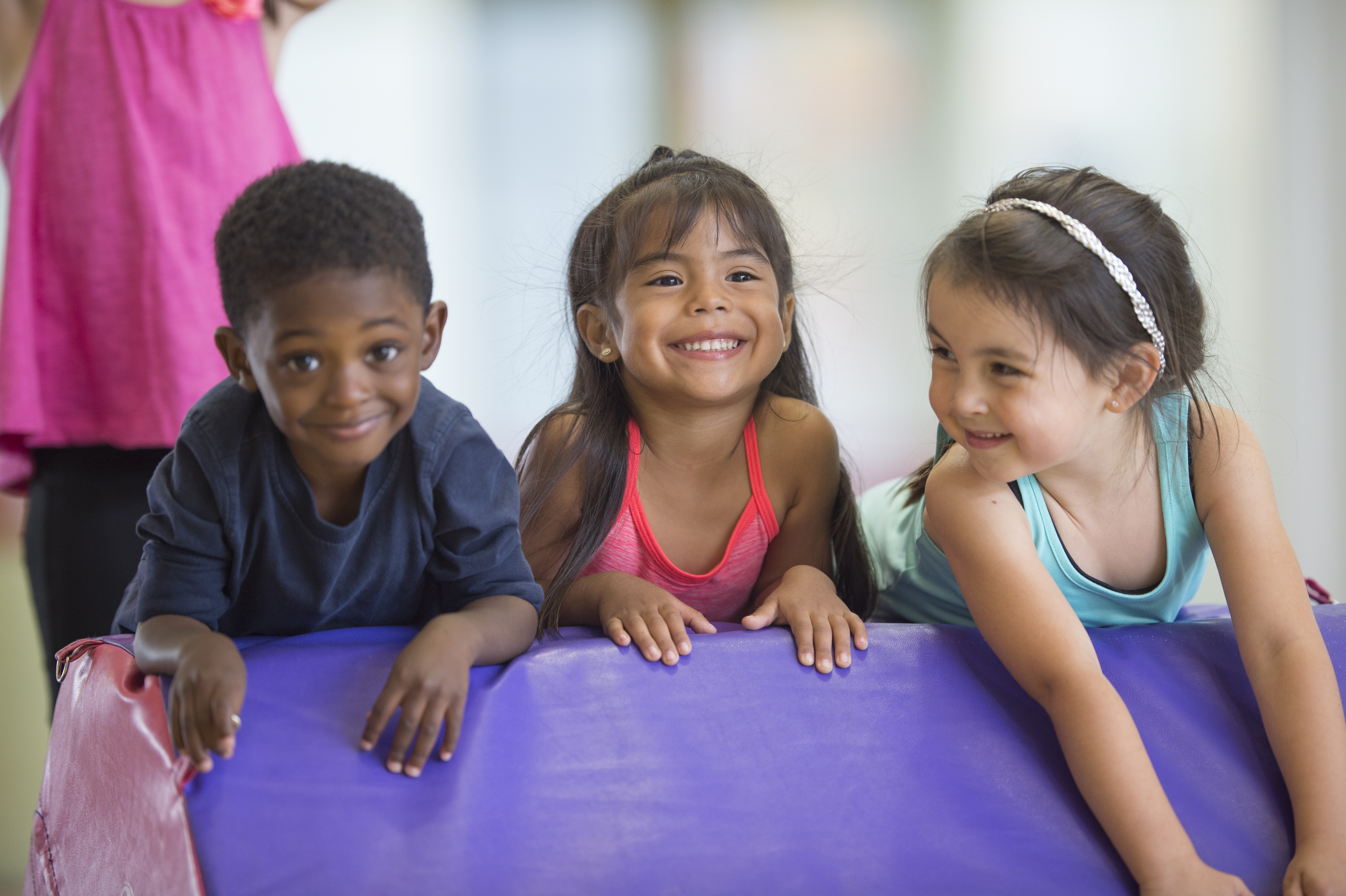
Our youngest dancers begin their training with simple physical concepts that establish motor control and spatial awareness. In our toddler ballet classes in Upper Manhattan, children ages 2 years to 3 years learn how their bodies move through space in a structured, calm classroom setting.
- Balance and Foot Articulation: Walking on tiptoes, marching, and soft landings build strong arches, steady ankles, and early core stability.
- Spatial Direction: Dancers learn concepts like forward, backward, freeze, and go, helping them navigate shared studio space safely.
- Sensory Props and Music: Scarves, floor spots, and rhythm sticks connect auditory cues to physical action, making basic movement patterns easy to remember.
This early work gives toddlers the physical confidence and listening habits needed before they advance to multi-discipline combo classes.
Developing Posture, Alignment, And Focus
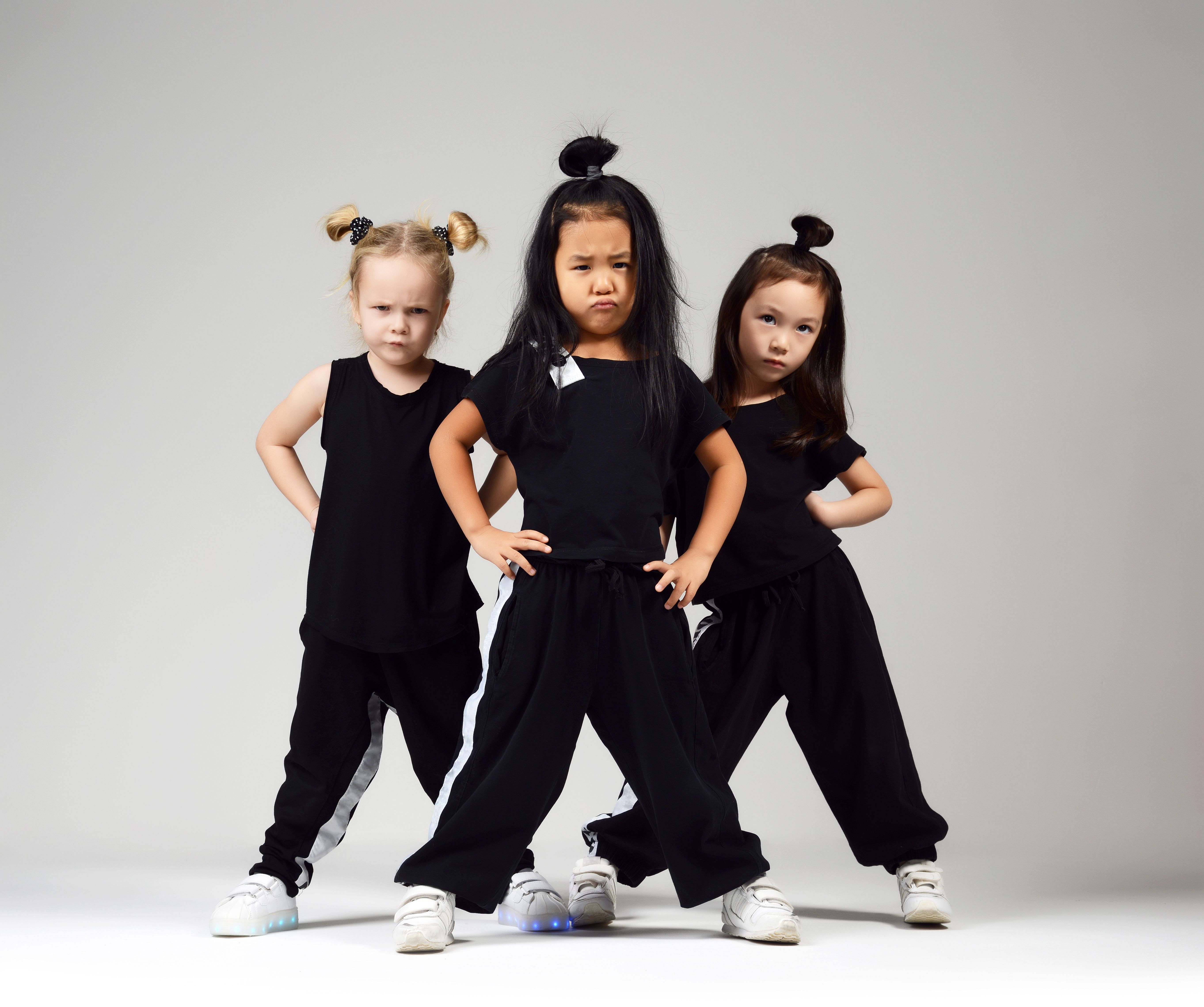
As dancers reach ages 3 through 6, instruction shifts toward basic French terminology and traditional studio discipline. The ballet portion of our kids dance classes channels natural energy into poise, self-control, and intentional movement.
- Posture and Alignment: Dancers practice standing tall, engaging their core, and maintaining turnout safely from the hips.
- Fundamental Ballet Positions: Students learn first and second positions of the feet and arms, along with basic pliés and tendus at the center floor.
- Traveling Steps: Gallops, skips, and chassés teach children how to move across the floor with grace, rhythm, and clear direction.
These weekly exercises train young students to listen to subtle corrections, hold their focus, and take pride in precise physical execution.
Building Musicality And Timing Through Tap
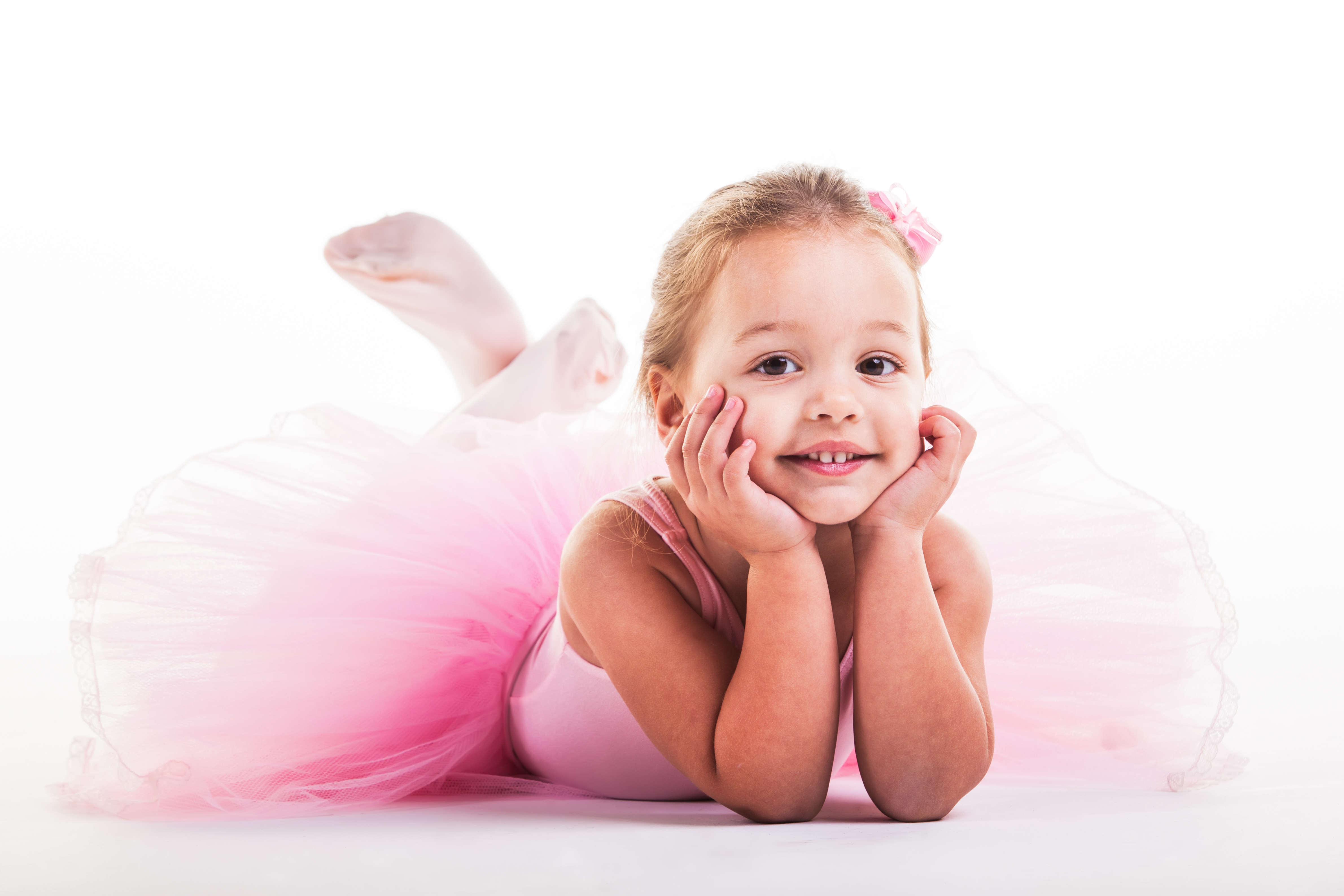
Tap dance introduces our young dancers to the relationship between movement and sound. In the tap portion of our ballet and tap combo classes, children learn that their feet are musical instruments that must work in precise coordination with the music.
- Rhythm and Tempo Recognition: Dancers count beats, match tempo changes, and learn how to stop and start sounds cleanly on the music.
- Ankle Strength and Articulation: Shuffles, toe taps, and heel drops strengthen ankles and improve fine motor coordination in the lower leg.
- Pattern Memorization: Students link two, three, and four sounds together in sequence, sharpening short-term memory and physical reflexes.
Learning tap teaches children patience and steady effort. When a step feels difficult, our instructors help them slow the rhythm down until the sound is clean and clear.
Preparing For The Annual Spring Recital
Performing on stage is an essential part of your child’s artistic growth. Starting at age three, our Broadway Littles students prepare for our annual spring recital, turning months of weekly studio practice into a finished group presentation.
- Moving in Synchrony: Dancers practice watching their spacing, standing in formation lines, and timing their movements together as a team.
- Stage Presence: Children learn how to enter the stage, present themselves to an audience, smile through nerves, and take a proud bow.
- Year-Over-Year Commitment: Working toward a spring performance teaches young students to stick with an activity through the finish line rather than quitting when excitement wanes.
Stepping under the stage lights in costume gives our young students genuine pride in what they built with their teachers and classmates all season long.
Real Stories From Our Studio Community
Upper Manhattan families trust Broadway Performing Arts Center for structured dance training, steady guidance, and a dependable neighborhood home. Read what local parents share about their time in our Broadway Littles dance classes and studio community.

Very nice place wonderful teachers and classes😊 …

My son had an amazing experience with the Musical theater camp, which incorporates gymnastics, singing, dancing and acting, and showcases the students' individual strengths, it was very well written and choreographed by the talented Ms. Tina. The 2 week camp culminated in a very professional performance for the parents and families. He's also taken gymnastics classes and adores his teachers Jack and Isa...Jack is an amazing teacher and we learned that he had competed in the Olympics many years ago. So great to have such skilled teachers in the Washington heights area. Can't wait for the next summer camp!

They actually offer a lot of classes here. There are quite a few age and time slot options which is great to work around kids school schedules. Ms. Tina is bubbly and exciting and connects with the kids immediately, as do the staff she hired for the various classes. The class sizes are very manageable and quite small compared to some others - this is fantastic for my child as she benefits from a better experience. The location is great and easily accessible. Look at their website to get a list of the classes and times etc.... well worth it.

My daughter and I love this dance studio! The price is great, they are professional, organized and the recitals are awesome. There is such a large variety of dance choices, for a large range of ages and a great choice of schedules. The teachers are so kind and have a great way of teaching. I absolutely love this place!

We couldn’t be happier with this dance studio! From the moment we walked in, the environment felt warm, welcoming, and incredibly supportive for kids of all ages and skill levels. The instructors are not only talented but also patient, encouraging, and truly passionate about what they do.
What really stands out is how much confidence and joy they help build in each child. The classes are well-structured, fun, and age-appropriate, and you can see real progress in both technique and self-esteem. The studio is always clean, organized, and professionally run, which gives parents great peace of mind.
If you’re looking for a place where your child can grow, make friends, and genuinely love dancing, this is it. Highly recommend!

We’ve had a partnership with Ms. Tina and BPAC for years. Having her instructors teach in our day care centers has been a pleasure. We love them and our parents love them! We always recommend their services to all our parents!

Granddaughter attending for 7 years! Excellent instructors and safe atmosphere for young ones.. 5 ⭐️

Community based and wonderful for all kid ages!
Get more information about our classes and schedule on the next page!
FAQs
We do not offer drop-in or trial classes. Young children need predictability and routine to feel safe and confident in a dance room. Drop-in visits create classroom distractions and make it harder for toddlers to settle in with their peers. Instead, we keep our class sizes small and give each new dancer steady, personal encouragement so they adjust smoothly over their first few weeks of consistent attendance.
Children can begin at 2 years old in our Intro to Ballet class. Dancers ages 3 through 6 can enroll in our ballet and tap combo classes or our youth gymnastics tumbling program. Class placement is determined by your child's age as of the start of the dance season. If you are unsure which class time works best for your family, contact our office and Tina will assist you directly.
For classes starting at age three, dancers attend independently. Having students in the studio with their teacher and student assistants builds concentration, listening habits, and healthy separation from parents. For our 18-month to 2-year-old beginners, our instructors use gentle routines to help young children separate comfortably and feel safe on the dance floor.
Ballet and tap students wear comfortable dancewear, such as a leotard, tights, or fitted leggings, paired with ballet slippers and black tap shoes. Tumbling students wear fitted activewear with bare feet. Hair should always be pulled back neatly from the face. We provide families with a clear supply list before classes begin, and we ask that all shoes are labeled with your child's name.
Yes. All students ages three and older who take part in our full-season program perform in our annual spring recital. Taking the stage in costume alongside their classmates is a proud milestone for young dancers, giving them a clear goal to work toward and a memorable finish to their season.
Practical Growth Beyond The Studio Floor
Dance gives energetic children a healthy, structured outlet to channel big feelings, release physical tension, and practice calm self-control.
Memorizing step patterns, counting musical cues, and repeating sequences sharpen working memory and active listening skills needed in school.
Guided movement prompts teach young dancers how to interpret music, express ideas physically, and build creative confidence without self-consciousness.
Weekly dance classes build steady cardiovascular health, strong bones, and healthy posture during an hour completely free from phones, tablets, and screens.
Get more information about our classes and schedule on the next page!